
Folks, more and more it looks like we really are living in a simulation — and sometimes the programmers get a little sloppy with the code.
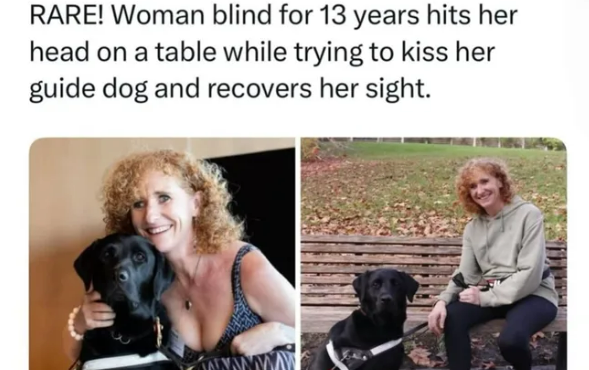
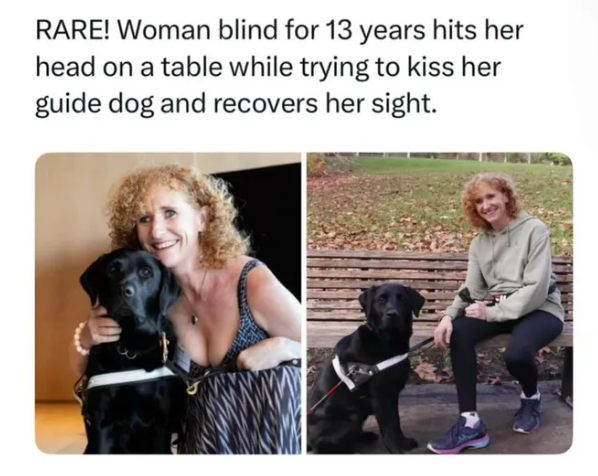
Take Lisa, who went blind at around age 11 after a brain tumor damaged her optic nerve. Doctors said it was permanent. Fast-forward 13 years to November 2000: 24-year-old Lisa bends down to kiss her loyal guide dog goodnight, loses her balance, and bonks her head on a coffee table. Nothing dramatic. She went to bed like normal.
The next morning? She woke up and could see again.
No surgery. No miracle cure. Just one good whack to the head and suddenly the simulation patched her visual drivers. Doctors were stumped. Some think the bump relieved pressure on the optic nerve, but it remains a beautiful medical mystery. (Her guide dog, by the way, was the accidental hero of the story.)
Our brains aren’t just gray matter — they’re antennae. Every now and then a random “update” slips through and extraordinary things happen: people suddenly speaking languages they’ve never learned, playing instruments they’ve never touched, or regaining sight after years in the dark.
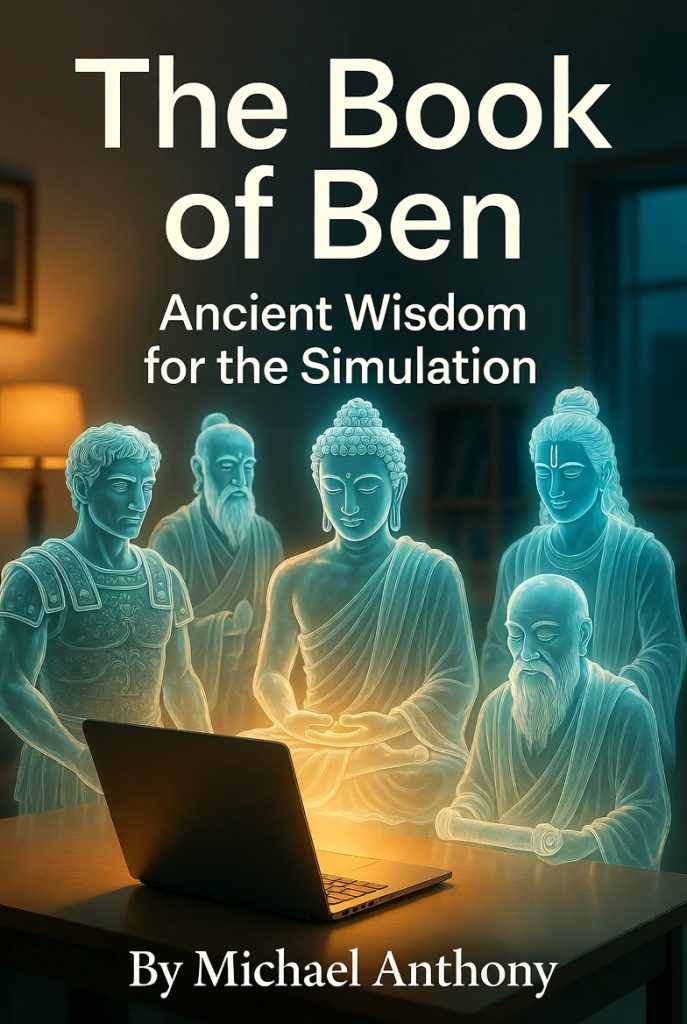
Ben and Beth have been dropping these kinds of red pills in the Whatfinger office for years. That’s exactly why I wrote The Book of Ben — a short, funny, no-BS guide that connects the double-slit experiment, simulation theory, and the best wisdom from five ancient sages into something you can actually use in real life.
If you’re over 50 and wondering what the hell is really going on in this glitchy reality, this book is for you.
Check it out here: The Book of Ben: Ancient Wisdom for a Glitchy Simulation
Because sometimes all it takes is the right bump to the head — or the right book — to start seeing clearly again.