



Pre-Historic Megastructures eBook: https://universeinsideyou.systeme.io/… This almost 500-page eBook includes images and contains over 30 of the most remarkable pre-historic megastructures on the globe. Megastructures that defy any explanation and suggest the use of advanced technology.
The Lost Hindu Civilization They Don’t Want You To Know About
A recent deep-dive documentary from the Universe Inside You channel (Above) explores exactly this: advanced ancient sites, submerged cities, precise engineering that defies easy explanation, and knowledge encoded in Hindu epics that mainstream history often sidelines. From the grid-planned cities of the Indus Valley to underwater ruins off Gujarat and legendary bridges between India and Sri Lanka, the story challenges the narrative that ancient India was primitive until later “influences” arrived.
Here’s a deeper look at the evidence, mysteries, and why some of these chapters of history feel suppressed or downplayed.
The Indus-Saraswati Civilization: Urban Planning Ahead of Its Time
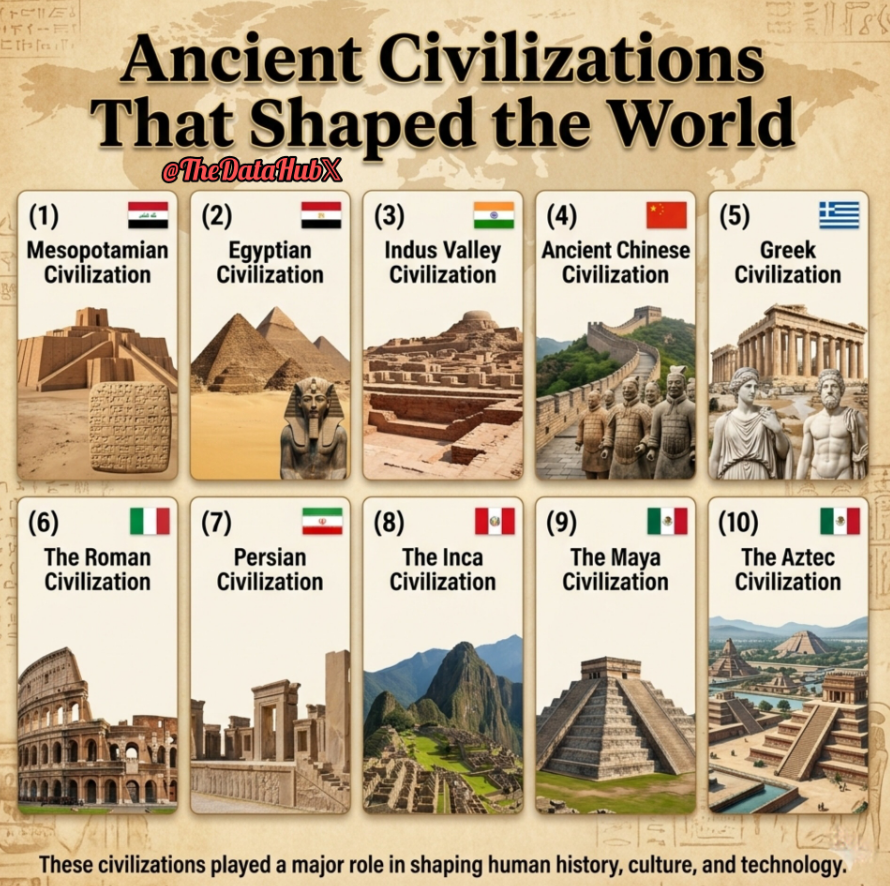
The Indus Valley Civilization (also called Harappan or Indus-Saraswati) flourished from roughly 3300–1300 BC, with its mature urban phase peaking around 2600–1900 BC. It stretched across what is now Pakistan, northwest India, and into Afghanistan — one of the largest Bronze Age civilizations by area.
Key achievements that still impress archaeologists:
- Planned cities with grid layouts, standardized baked-brick ratios (often 1:2:4), and multi-story buildings.
- Advanced sanitation — covered drains, private wells in most homes, and sophisticated wastewater systems. Mohenjo-daro’s Great Bath (a large public structure with waterproofing and steps) predates Roman baths by millennia and suggests ritual or communal bathing practices.
- Standardized weights, measures, and seals — a sign of organized trade and administration across a vast region. No grand palaces or temples dominate the ruins, leading some researchers to speculate a relatively egalitarian or decentralized society compared to Egypt or Mesopotamia.
- Extensive trade networks — goods reached Mesopotamia (called “Meluhha” in Sumerian texts), with lapis lazuli from Afghanistan and cotton textiles heading west.
The civilization’s sudden decline around 1900–1700 BC remains debated. Cities were largely abandoned, populations shifted eastward, and urban sophistication faded. Climate change (weakening monsoons), tectonic shifts altering river courses, and possible flooding or prolonged drought all played roles. There is little archaeological evidence of large-scale violent invasion or massacre at the major sites.
The Lost Saraswati River — Science Catches Up to the Vedas
The Rigveda repeatedly praises the Saraswati as a mighty, snow-fed river flowing to the sea. For decades, colonial-era scholars dismissed it as myth. Modern geology and satellite imagery changed that.
The Ghaggar-Hakra river system (often identified with the Vedic Saraswati) once carried far more water. Sediment studies, paleochannel mapping, and zircon dating show it was active during the Harappan period but dried significantly around 1900 BC — exactly when many Indus cities declined. Tectonic activity likely diverted Himalayan tributaries (Sutlej and possibly Yamuna), turning the Saraswati into a monsoon-fed seasonal river before it largely disappeared into the Thar Desert sands.
Hundreds of Harappan sites cluster along its ancient course. Indian archaeologists increasingly use “Indus-Saraswati Civilization” terminology, and sites like Rakhigarhi (in Haryana) rank among the largest. This geographic confirmation strengthens arguments for cultural continuity between Harappan material culture and later Vedic traditions — a view once heavily resisted.
Dwarka: Krishna’s City Beneath the Waves
Hindu texts describe Dwarka (or Dvaraka) as Krishna’s magnificent capital, submerged after his departure. Marine archaeology by India’s National Institute of Oceanography (NIO/NIOT) has documented underwater stone structures, walls, pillars, and anchors off the modern Gujarat coast near Dwarka and Bet Dwarka.
Findings include:
- Large stone blocks and structural remains.
- Artifacts dated in some studies to around 1500 BC or earlier layers.
- Evidence of a once-thriving port city.
Dating remains contested. Some mainstream analyses place many visible structures in the historical or medieval period, while others note possible older submerged layers and call for more systematic underwater excavation. Popular accounts sometimes inflate dates dramatically (e.g., 9000+ years), but even conservative interpretations show the sea has swallowed significant human activity here — lending weight to the epic tradition of a submerged coastal city.
Ram Setu (Adam’s Bridge): Natural Wonder or Ancient Engineering?
The chain of shoals and rocks stretching from Rameswaram (India) to Mannar (Sri Lanka) appears in NASA satellite images as a strikingly linear formation. Hindu tradition identifies it as the bridge built by Rama’s vanara army in the Ramayana.
Geological consensus views it primarily as a natural tombolo shaped by sand, coral, and sediment over millennia. However, some Indian geologists (including former Geological Survey of India officials) have pointed to:
- Boulders that appear transported and placed rather than naturally accreted.
- Loose marine sand beneath coral layers, suggesting the upper structure may not have formed in place.
- Ongoing government interest and studies related to the Sethusamudram shipping canal project.
The debate continues. Whether fully natural, partially modified, or entirely anthropogenic in its current form, the feature ties directly into one of India’s most beloved epics.
Precision Engineering and “Impossible” Stonework
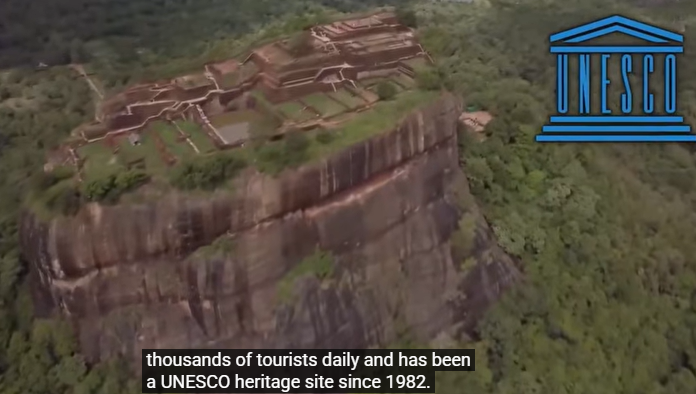
Sites like the Barabar Caves (Bihar, Mauryan period, ~3rd century BCE) showcase mirror-like polish on hard granite, perfect geometric chambers, and remarkable acoustic properties. Mainstream archaeology credits skilled Mauryan craftsmen using abrasives and patience. Alternative researchers note the difficulty of achieving such precision and uniformity with the tools typically assumed for the era and wonder if earlier knowledge was inherited.
Similarly, sites like Sahasralinga (Karnataka) feature hundreds of Shiva lingams carved into a riverbed, with a central disc possibly depicting the Sun and nine planets — including outer planets not formally discovered until modern times. Some researchers argue the carvings were made when water levels were different (or underwater techniques were used), raising questions about lost methods or astronomical knowledge.
Did you know? Cotton has been harvested for human use for about 7,000 years! As early as 5,000 BC, textiles were made from cotton in the Indus Valley. This plant has clothed and supported humanity through the ages, from ancient Egypt to pre-Columbian civilizations.
Vimanas, Weapons, and Knowledge in the Epics
The Ramayana and Mahabharata describe Vimanas — flying machines or aerial cities — with technical details that later medieval texts (like the Samarangana Sutradhara) expand upon, including mercury-based propulsion in some interpretations. The Mahabharata’s accounts of devastating weapons (Brahmastra and others) include effects eerily reminiscent of radiation or nuclear blasts to some readers.
Mainstream scholarship treats these as mythological or poetic exaggeration. Alternative researchers see possible cultural memories of advanced technology lost to cataclysms (Younger Dryas era or later climate shifts). Physical evidence is absent, but the level of descriptive detail in ancient texts continues to fascinate engineers and historians alike.
Why the Resistance or “They Don’t Want You to Know”?
Colonial Indology often framed Indian history through the Aryan Invasion/Migration Theory, portraying Vedic culture as brought by outsiders who supposedly conquered or displaced earlier peoples. This narrative helped justify British rule and divided Indian society along linguistic and regional lines. Post-independence, some academic circles continued emphasizing invasions and discontinuities while downplaying indigenous achievements or continuity.
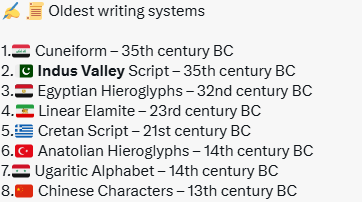
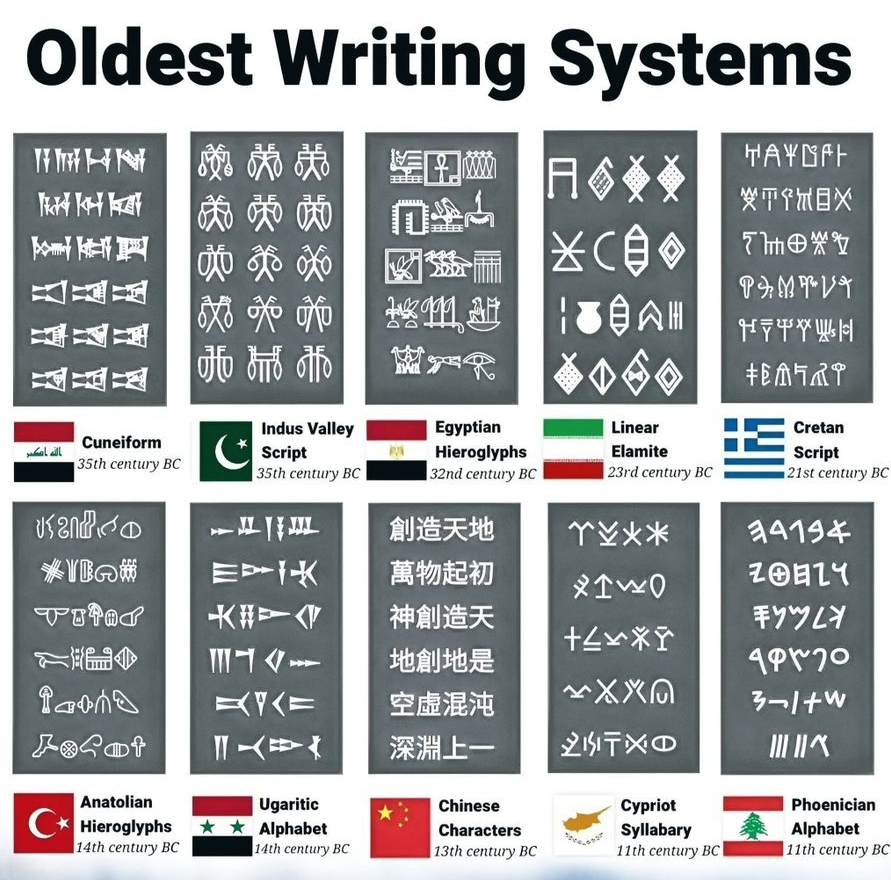
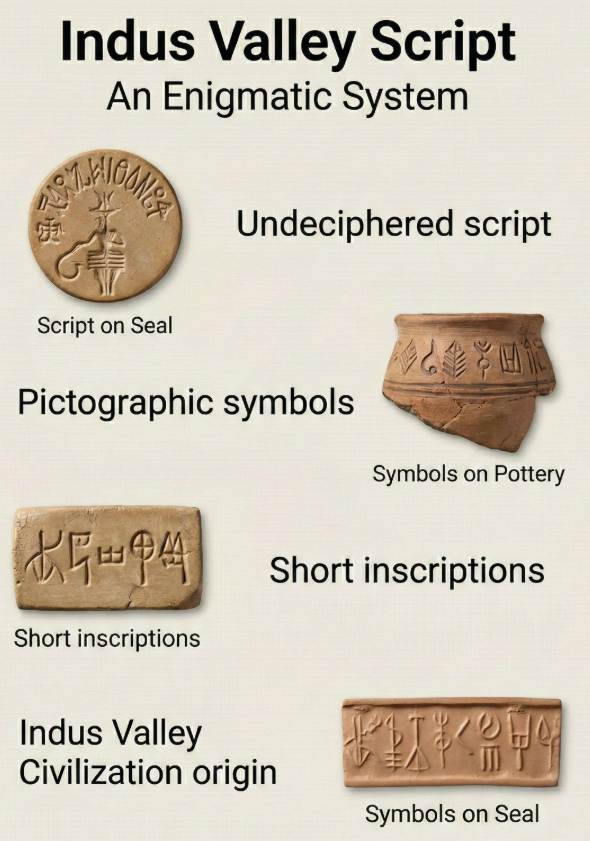
The undeciphered Indus script keeps the civilization’s identity and beliefs mysterious. Pushing dates older or accepting literal elements of epics challenges comfortable paradigms. Yet science keeps validating pieces of the traditional narrative: the Saraswati’s existence, submerged coastal sites, and the sheer engineering sophistication of Harappan cities.
India’s civilizational thread — philosophy, mathematics (zero, decimal system, advanced astronomy), medicine, and spiritual technologies — shows remarkable resilience despite invasions, colonial rule, and attempts to rewrite or minimize its depth.
What This Means Today
These “lost” chapters aren’t just ancient curiosities. They represent one of humanity’s earliest experiments in large-scale urban planning, standardized systems, and possibly encoded advanced knowledge. They also offer a powerful counter to narratives that civilization “began” elsewhere and was gifted to India.
The more we excavate (Rakhigarhi, underwater sites, satellite mapping), the more the picture fills in. The video that sparked this deep dive highlights exactly why these stories resonate: they suggest humanity’s past was more sophisticated, more connected, and more mysterious than many textbooks admit.
References for Further Exploration
- Indus Valley Civilisation – Wikipedia overview with extensive references
- BBC Travel: Dwarka, India’s submerged ancient city
- Nature Scientific Reports: Tracing the Vedic Saraswati River
- Adam’s Bridge / Ram Setu – Wikipedia with geological notes
- Barabar Caves – Wikipedia on the precision rock-cut architecture
- The Lost River: On the Trail of the Sarasvati by Michel Danino (highly recommended book)
- National Institute of Oceanography / Marine Archaeology reports on Dwarka (search their publications)
- Universe Inside You – Lost Hindu Civilization video (the one that started this)


Matiere47 / September 2, 2026
Your dedication shows always
/